
Enterprise creditors that rely on single-channel outreach routinely miss right-party contacts, extend delinquency cycles, and inflate operational costs. Omnichannel debt collection connects voice, SMS, email, and self-service portals into a unified strategy that optimizes debtor reachability, accelerates recovery, and protects customer retention.
How Does Omnichannel Debt Collection Improve Recovery Rates and Consumer Engagement?
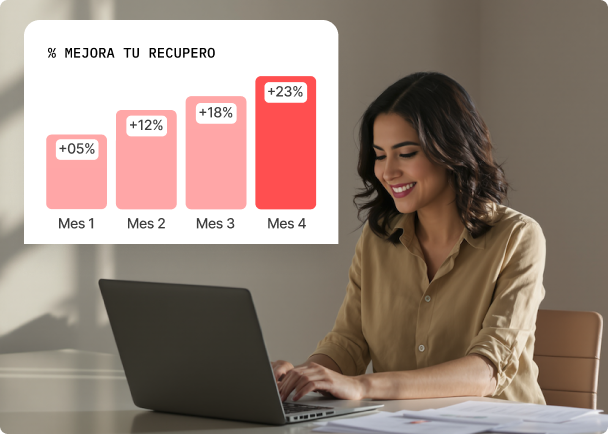
Consumers expect the same consistency from a debt collector that they get from any other service they deal with online. When a reply to a text message, a phone call, and a self-service portal all reflect the same balance and history, consumers respond faster and disputes drop, which lifts recovery rates directly.
By offering frictionless digital choices, financial institutions reduce debtor avoidance patterns typical of aggressive call-heavy strategies. This data-driven flexibility increases right-party contact rates, shortens time-to-resolution, and safeguards the lender's brand reputation.
Stronger customer experience during collections has a measurable effect on future recovery, since consumers who feel respected are more likely to engage again if a new balance arises. For more on how these outcomes connect, see this guide to debt recovery.
- Faster right-party contact across phone calls, SMS, and digital channels
- Higher recovery rates from consistent, non-repetitive outreach
- Improved consumer experience through self-service and channel choice
- Stronger customer experience and repayment behavior over time
Which Channels Make Up an Omnichannel Collections Strategy?
Omnichannel strategies work by treating every touchpoint, human or automated, as part of one continuous conversation with the consumer, not a separate outreach effort. The channels below make up the core of most omnichannel debt collection strategies, spanning traditional phone calls and modern digital channels alike.
Traditional Channels
Phone calls remain the channel of choice for high-balance or disputed accounts, where a debt collector needs to negotiate in real time. Outbound calls also work well early in the collections cycle, when a consumer may not yet recognize a text message as legitimate. Here, consumer experience depends on tone and timing, not automation.
Digital-First Channels
SMS and text messages, web chat, chatbots, and mobile apps let consumers set up payment plans or check balances without calling in, which improves consumer experience for people who prefer not to speak with a debt collector directly. Self-service portals extend this further, letting consumers manage a payment plan end to end.
QR codes and social media add narrower, compliance-sensitive use cases: a QR code on a printed notice can route straight to a payment page, while social media contact requires extra care under current guidance. For a closer look at how these channels fit together, see this guide to digital debt collection.
How Do Automation and Data Analytics Power an Omnichannel Collections Strategy?
Behind every channel, automated workflows decide who gets contacted, on which channel, and when. Data analytics and machine learning models score each account by likelihood to pay, then route outreach accordingly instead of contacting every consumer through every channel at once.
Digital tools also standardize payment reminders and follow-ups, so a consumer who ignores an SMS gets a different message by voice or email rather than an identical repeat. For a closer look at how this technology is built, see this guide to debt collection automation.
What Regulatory Compliance Requirements Apply to Omnichannel Debt Collection?
Regulatory compliance gets harder, not easier, as channels multiply. The FDCPA and related state and telecom rules set limits on call frequency, require consent for SMS outreach, and mandate specific disclosures regardless of the channel used to reach a consumer.
An omnichannel debt collection strategy needs one compliance layer that applies these rules everywhere, phone calls, text messages, web chat, or social media, instead of enforcing them channel by channel. Manual tracking across multiple channels is where most compliance gaps in high-volume collections actually happen.
- Consent and opt-out tracking for SMS and voice outreach
- Call frequency limits enforced automatically across every channel
- FDCPA-required disclosures included on every payment reminder
- A complete, channel-by-channel audit trail for every account
How Does Colektia Support an Omnichannel Debt Collection Strategy?
Colektia is an AI-powered infrastructure built for the same challenge: coordinating phone calls, SMS, chatbots, and self-service portals into one collections strategy instead of managing each channel separately. Its AI agent handles voice and text conversations around the clock, following each consumer's preferred channel while logging every interaction for compliance.
In a verified banking case, Colektia's AI agent reached 78% early-stage contention versus 75% for traditional human agents across a 12,000-account sample, while cutting management cost by 3.6x. Results like these come from the same channel-routing logic that powers omnichannel debt collection.
This technology has been shown to match the effectiveness of a traditional call center and subsequently surpass it by 25%, while operating with 100% automation.
Omnichannel debt collection works best when every channel, human or automated, follows the same consumer profile and payment history. That coordination is what turns scattered contact attempts into measurable gains in recovery rates, consumer engagement, and customer experience across a full collections portfolio.
Schedule a meeting with our collections experts to see how we bring every collection channel into one AI-powered strategy.
Frequently Asked Questions
What's the difference between omnichannel and multichannel debt collection?
Multichannel debt collection means using several channels, phone calls, SMS, and email, without connecting them, so a consumer might get the same reminder twice or repeat their story on every call. Omnichannel debt collection links those channels into one coordinated collections strategy, sharing real-time interaction data across all touchpoints. This ensures that every contact reflects the account's latest status, eliminating redundant outreach, lowering cost-per-case, and driving higher portfolio recovery rates.
Do debtors need to opt in before receiving SMS or text message collection notices?
Yes. Regulatory compliance under the FDCPA and related telecom rules generally requires documented consent before sending SMS or text message reminders, and consumers must be able to opt out at any time. An omnichannel debt collection strategy should track consent status per channel automatically, since a debtor who opts out of texts may still be reachable through phone calls or a self-service portal without issue.
Can consumers set up payment plans through a self-service portal?
Yes, self-service portals are one of the core digital channels in an omnichannel collections strategy. Consumers can review balances, choose a payment plan, and confirm payment dates without waiting for a call back. This reduces inbound call volume for debt collectors while giving consumers more control, which typically improves both consumer experience and completion rates on active payment plans across a portfolio.
How does an omnichannel debt collection strategy stay FDCPA compliant?
Staying FDCPA compliant across channels means enforcing the same call frequency limits, required disclosures, and consent rules regardless of whether contact happens by phone calls, SMS, or web chat. Regulatory compliance works best when built into automated workflows rather than managed manually per channel, since manual tracking across phone calls, text messages, and digital channels increases the risk of missed disclosures or repeat contact with a consumer.
What role do chatbots play in omnichannel debt collection?
Chatbots and voice-based AI agents handle routine tasks such as balance inquiries, payment reminders, and basic negotiation, freeing debt collectors to focus on complex accounts. In an omnichannel debt collection setup, chatbots on web chat or mobile apps hand off context to phone calls or self-service portals seamlessly, so consumers never have to repeat information already shared through another channel during the process.
Which channel works best for high-volume debt collection outreach?
No single channel works best for every account. Outbound calls and voice calls remain effective for high-balance or complex cases, while SMS, text messages, and digital channels handle high-volume, lower-balance outreach efficiently. Data analytics and machine learning help route each account to the channel most likely to generate a response, which is the core logic behind an effective omnichannel collections strategy.